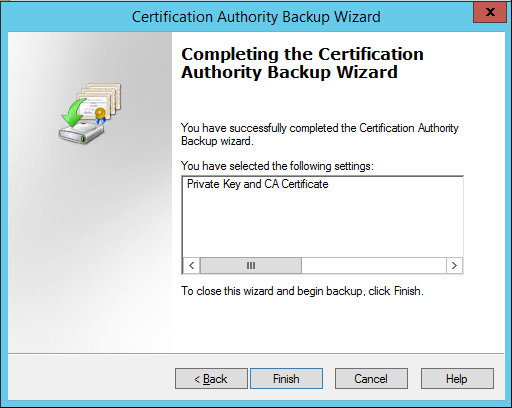
This guide provides comprehensive instructions for managing SSL/TLS certificates in PFX (PKCS12) format, including extraction, verification, and conversion to formats commonly used by web servers like Nginx, Apache, and Traefik.
Prerequisites
- OpenSSL installed on your system
- Access to your PFX file
- Password for the PFX file (if protected)
Understanding PFX Files
What is a PFX file?
PFX (Personal Information Exchange) or PKCS#12 is a binary format that bundles:
- Private Key – Used to decrypt traffic
- Certificate – Your domain/server certificate (leaf certificate)
- Certificate Chain – Intermediate and optionally root CA certificates
Why extract components from PFX?
Many web servers and applications require certificates in PEM format with separate or combined files:
- Nginx: Requires
fullchain.pemandprivkey.pem - Apache: Requires certificate, private key, and chain as separate files
- Traefik: Can use either PFX or PEM formats
- HAProxy: Requires combined certificate + key file
- Docker containers: Often expect PEM format
Common Use Cases
- Setting up SSL/TLS on web servers (Nginx, Apache, Traefik)
- Migrating certificates between different platforms
- Verifying certificate chain completeness before deployment
- Converting Windows-exported certificates to Linux-compatible format
- Troubleshooting SSL certificate issues
Working with PFX Files
Setup Environment
First, set your PFX password as an environment variable for convenience:
export PFX_PASSWORD='your_password_here'
Note: For empty passwords, use: export PFX_PASSWORD=''
Check if PFX Contains Full Chain
Before extracting, verify that your PFX file contains the complete certificate chain.
Method 1: Count Certificates
openssl pkcs12 -in star.yourfile.pfx -nodes -nokeys -passin pass:$PFX_PASSWORD | grep -c "BEGIN CERTIFICATE"
Expected Results:
1= Only your certificate (⚠️ incomplete chain)2= Your certificate + 1 intermediate CA (✅ typical)3+= Your certificate + multiple intermediates (✅ complete chain)
Method 2: Display Certificate Details
openssl pkcs12 -in star.yourfile.pfx -nodes -nokeys -passin pass:$PFX_PASSWORD -info
This command displays:
- All certificates with their subject and issuer
- Certificate validity dates
- Complete certificate chain hierarchy
Extract Components from PFX
Extract Full Certificate Chain (fullchain.pem)
This creates a file containing your certificate and all intermediate certificates.
openssl pkcs12 -in star.yourfile.pfx -out star.yourfile.pem -nodes -nokeys -passin pass:$PFX_PASSWORD
Flags Explained:
-in– Input PFX file-out– Output PEM file-nodes– Don’t encrypt the output (removes passphrase)-nokeys– Export only certificates, not the private key-passin pass:$PFX_PASSWORD– Provide password non-interactively
Output: star.yourfile.pem (fullchain.pem)
Extract Private Key (privkey.pem)
This extracts only the private key from the PFX file.
openssl pkcs12 -in star.yourfile.pfx -out star.yourfile.key -nodes -nocerts -passin pass:$PFX_PASSWORD
Flags Explained:
-nocerts– Export only the private key, not certificates-nodes– Output key without encryption
Output: star.yourfile.key (privkey.pem)
⚠️ Security Warning: Protect this file! Set proper permissions:
chmod 600 star.yourfile.key
Extract Everything in One File
If you need certificate + chain + private key in a single file:
openssl pkcs12 -in star.yourfile.pfx -out combined.pem -nodes -passin pass:$PFX_PASSWORD
Use Case: HAProxy, some load balancers
Verification Methods
1. View Certificate Subjects and Issuers
openssl crl2pkcs7 -nocrl -certfile star.yourfile.pem | openssl pkcs7 -print_certs -noout
What to look for:
- Each certificate’s
subjectshould match the next certificate’sissuer - Forms a chain from your certificate to the root CA
Example Output:
subject=CN=*.example.com
issuer=CN=Intermediate CA

subject=CN=Intermediate CA
issuer=CN=Root CA
2. Verify Certificate Chain Integrity
openssl verify -CAfile star.yourfile.pem star.yourfile.pem
Expected Output:
star.yourfile.pem: OK
If verification fails, your chain is incomplete or corrupted.
3. Check Certificate Expiration
openssl x509 -in star.yourfile.pem -noout -dates
Output:
notBefore=Jan  1 00:00:00 2024 GMT
notAfter=Dec 31 23:59:59 2025 GMT
4. Display Certificate Details
openssl x509 -in star.yourfile.pem -text -noout
Shows complete certificate information including:
- Subject and Issuer
- Validity period
- Subject Alternative Names (SANs)
- Key usage
- Extensions
5. List All Certificates in Chain
openssl storeutl -certs star.yourfile.pem
Displays each certificate in the chain with its details.
Creating Full Chain Certificates
Scenario 1: PFX Missing Intermediate Certificates
If your PFX only contains the leaf certificate, you need to add the chain manually.
Step 1: Extract components
# Extract certificate
openssl pkcs12 -in star.yourfile.pfx -out cert.pem -nodes -nokeys -clcerts -passin pass:$PFX_PASSWORD

# Extract private key
openssl pkcs12 -in star.yourfile.pfx -out privkey.pem -nodes -nocerts -passin pass:$PFX_PASSWORD
Step 2: Obtain intermediate certificates
Download the chain file from your Certificate Authority (CA):
- Let’s Encrypt: Included automatically
- DigiCert, Sectigo, etc.: Available in your CA account
- Or download from: https://www.example-ca.com/chain.pem
Step 3: Combine certificate with chain
cat cert.pem chain.pem > fullchain.pem
Step 4: Create new PFX with complete chain
openssl pkcs12 -export -out newfile.pfx \
  -inkey privkey.pem \
  -in cert.pem \
  -certfile chain.pem \
  -name "*.example.com" \
  -passout pass:$PFX_PASSWORD
Scenario 2: Already Have Separate Files
If you have certificate and chain as separate files:
# Combine certificate and chain
cat star_asb_bh.crt star_asb_bh-chain.pem > fullchain.pem

# Verify the chain
grep -c "BEGIN CERTIFICATE" fullchain.pem
openssl verify -CAfile fullchain.pem fullchain.pem
Optional: Create PFX from separate files:
openssl pkcs12 -export -out newfile.pfx \
  -inkey star_asb_bh.key \
  -in star_asb_bh.crt \
  -certfile star_asb_bh-chain.pem \
  -name "*.asb.bh" \
  -passout pass:$PFX_PASSWORD
Alternative Scenarios
Using with Nginx
Create the required files:
# Full chain certificate
openssl pkcs12 -in star.yourfile.pfx -out /etc/nginx/ssl/fullchain.pem -nodes -nokeys -passin pass:$PFX_PASSWORD

# Private key
openssl pkcs12 -in star.yourfile.pfx -out /etc/nginx/ssl/privkey.pem -nodes -nocerts -passin pass:$PFX_PASSWORD

# Set permissions
chmod 644 /etc/nginx/ssl/fullchain.pem
chmod 600 /etc/nginx/ssl/privkey.pem
Nginx configuration:
server {
    listen 443 ssl;
    server_name example.com;

    ssl_certificate /etc/nginx/ssl/fullchain.pem;
    ssl_certificate_key /etc/nginx/ssl/privkey.pem;
}
Using with Traefik
Option 1: Use PFX directly (if Traefik supports it)
tls:
  stores:
    default:
      defaultCertificate:
        certFile: /path/to/star.yourfile.pfx
Option 2: Convert to PEM format
# Extract both cert and key
openssl pkcs12 -in star.yourfile.pfx -out combined.pem -nodes -passin pass:$PFX_PASSWORD
Traefik configuration:
tls:
  certificates:
    - certFile: /path/to/fullchain.pem
      keyFile: /path/to/privkey.pem
Using with Apache
# Certificate
openssl pkcs12 -in star.yourfile.pfx -out /etc/apache2/ssl/cert.pem -nodes -nokeys -clcerts -passin pass:$PFX_PASSWORD

# Private Key
openssl pkcs12 -in star.yourfile.pfx -out /etc/apache2/ssl/privkey.pem -nodes -nocerts -passin pass:$PFX_PASSWORD

# Chain (intermediate certificates)
openssl pkcs12 -in star.yourfile.pfx -out /etc/apache2/ssl/chain.pem -nodes -nokeys -cacerts -passin pass:$PFX_PASSWORD
Apache configuration:
<VirtualHost *:443>
    SSLEngine on
    SSLCertificateFile /etc/apache2/ssl/cert.pem
    SSLCertificateKeyFile /etc/apache2/ssl/privkey.pem
    SSLCertificateChainFile /etc/apache2/ssl/chain.pem
</VirtualHost>
Troubleshooting
Error: “wrong tag” or “nested asn1 error”
Cause: Corrupted file, wrong format, or legacy encryption
Solutions:
# Try with legacy provider (OpenSSL 3.x)
openssl pkcs12 -in star.yourfile.pfx -nodes -nokeys -legacy -passin pass:$PFX_PASSWORD

# Try with both providers
openssl pkcs12 -in star.yourfile.pfx -nodes -nokeys -provider legacy -provider default -passin pass:$PFX_PASSWORD
Error: File shows all zeros (0x00)
Check file integrity:
hexdump -C star.yourfile.pfx | head -20
Valid PFX should start with: 30 82 or 30 80 or 30 84
If all zeros: File is corrupted. Re-download or re-export from source.
Error: “MAC verification failed”
Cause: Incorrect password
Solution:
- Verify your password
- Try empty password:
export PFX_PASSWORD='' - Re-export the PFX with known password
Certificate Chain Verification Fails
Check the chain order:
openssl storeutl -certs fullchain.pem
Expected order:
- Your domain certificate (leaf)
- Intermediate CA certificate(s)
- Root CA (optional)
Fix incorrect order:
# Manually reorder certificates in a text editor
# Ensure leaf certificate comes first
Missing Intermediate Certificates
Symptoms:
- Browser shows “NET::ERR_CERT_AUTHORITY_INVALID”
- SSL Labs test shows “Chain issues”
grep -c "BEGIN CERTIFICATE"returns only 1
Solution: Download intermediate certificate from your CA and combine:
cat your-cert.pem intermediate.pem > fullchain.pem
Quick Reference Commands
# Set password
export PFX_PASSWORD='your_password'

# Check certificate count
openssl pkcs12 -in file.pfx -nodes -nokeys -passin pass:$PFX_PASSWORD | grep -c "BEGIN CERTIFICATE"

# Extract full chain
openssl pkcs12 -in file.pfx -out fullchain.pem -nodes -nokeys -passin pass:$PFX_PASSWORD

# Extract private key
openssl pkcs12 -in file.pfx -out privkey.pem -nodes -nocerts -passin pass:$PFX_PASSWORD

# Verify chain
openssl verify -CAfile fullchain.pem fullchain.pem

# View certificate details
openssl x509 -in fullchain.pem -text -noout

# Check expiration
openssl x509 -in fullchain.pem -noout -dates

# Create PFX from separate files
openssl pkcs12 -export -out new.pfx -inkey privkey.pem -in cert.pem -certfile chain.pem

# Combine certificate files
cat cert.pem chain.pem > fullchain.pem
Security Best Practices
-
Protect Private Keys
chmod 600 privkey.pem chown root:root privkey.pem -
Never commit certificates to version control
# Add to .gitignore *.pfx *.pem *.key *.crt -
Use strong passwords for PFX files
- Minimum 12 characters
- Mix of letters, numbers, symbols
-
Regularly rotate certificates
- Monitor expiration dates
- Automate renewal where possible
-
Store backups securely
- Encrypted storage
- Access control
- Regular backup verification
Additional Resources
- OpenSSL Documentation
- SSL Labs Server Test
- Let’s Encrypt Documentation
- Mozilla SSL Configuration Generator
License
This documentation is provided as-is for educational and reference purposes.
Last Updated: January 2026